
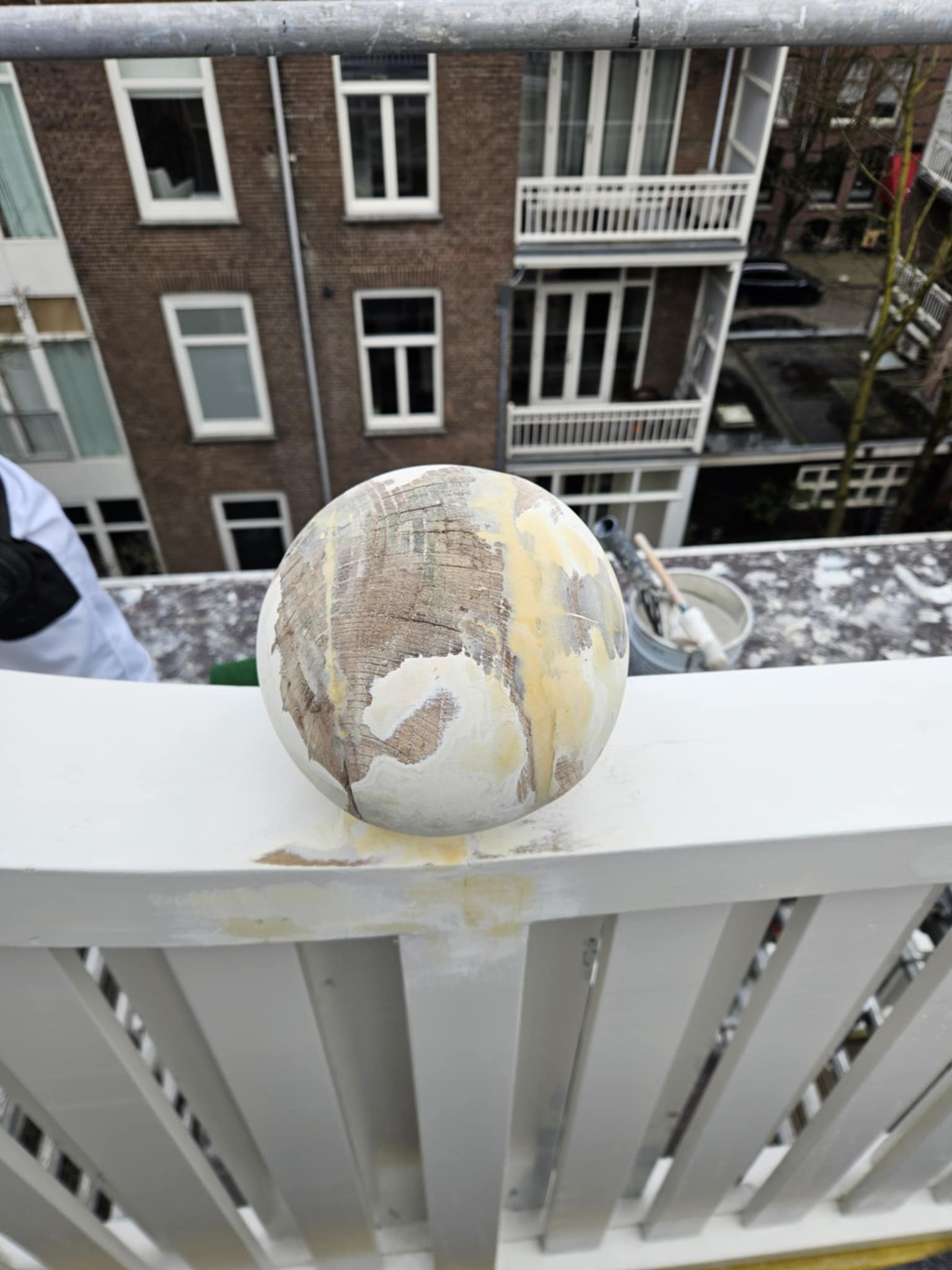
Exterior painting is not just about aesthetics; it plays a crucial role in protecting your property and prolonging its lifespan. Whether you’re refreshing your home’s facade, a fence, or a patio, proper preparation, material selection, and technique are essential for a durable and appealing result. In this blog post, we’ll guide you through the process of exterior painting and share tips to ensure success.
Why is Exterior Painting Important?
Exterior paint not only enhances the appearance of your home but also provides protection against environmental factors like rain, UV rays, temperature fluctuations, and wind. Regular maintenance helps prevent damage to walls, wooden, and metal surfaces while maintaining your property’s value.
The Step-by-Step Process for Exterior Painting
1. Surface Preparation
Proper preparation is the foundation of successful painting. Removing old paint, dirt, mold, or mildew is essential.
- For walls: Use a pressure washer to clean the surface and remove loose or peeling paint.
- For wooden surfaces: Sand the surface and ensure the wood is dry and clean.
- For metal surfaces: Remove rust and use a primer to prevent further corrosion.
2. Priming
Primer ensures that the new coat adheres well to the surface and extends the paint’s lifespan. Choose the right primer for the material, whether it’s wood, metal, or concrete.
3. Choosing the Right Paint
Exterior paints are specifically designed to withstand weather conditions.
- Acrylic-based paints: Durable and flexible, making them resistant to cracks.
- Oil-based paints: Ideal for protecting wooden surfaces.
- Metal surfaces: Use corrosion-resistant, specialized exterior paint.
4. Painting
- Weather conditions: Choose a dry, partly cloudy day with temperatures between 10–25°C (50–77°F) and low humidity.
- Brush or roller: Use a brush for hard-to-reach corners and a roller for larger surfaces.
- Coats: Apply at least two coats of paint for a long-lasting result, allowing proper drying time between coats.
5. Maintenance
Regularly inspect and clean the painted surfaces to maintain their appearance and protective qualities.
Tips for Successful Exterior Painting
- Timing: Avoid painting during rainy days or when extreme temperature fluctuations are expected.
- High-Quality Materials: Invest in quality paint and tools for long-lasting results—it’s worth it in the long run.
- Protection: Cover surrounding areas, such as windows and walkways, with drop cloths to prevent accidental paint splatters.
- Testing: Test the paint on a small, less visible area before starting on large surfaces.
Conclusion
Exterior painting not only refreshes your home’s appearance but also protects it from environmental factors. The key to success lies in thorough preparation, using quality paints and tools, and considering weather conditions. By following the steps outlined above, you can achieve a beautiful and long-lasting result.