
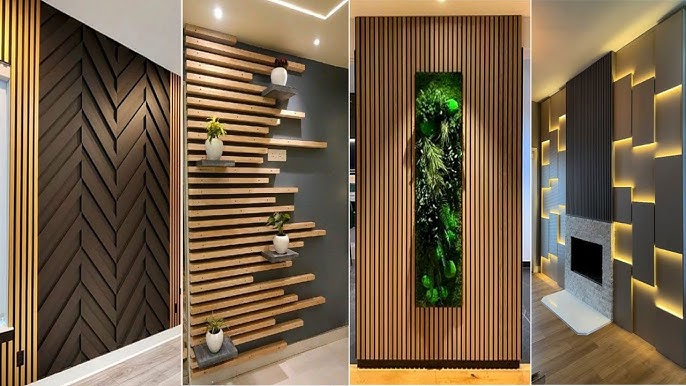
5 Tips for Choosing the Perfect Wall Cladding for Your Home
Wall cladding not only enhances the aesthetics of a space but also adds durability and functionality. Choosing the right cladding can be challenging, as there are many factors to consider. Here are 5 practical tips to help you select the best wall cladding for your home.
1. Consider the Room’s Function
Every room has different requirements when it comes to wall cladding:
- Bathroom: Moisture-resistant tiles, like ceramic or porcelain, are ideal.
- Kitchen: Easy-to-clean and heat-resistant materials, such as tiles or glass splashbacks, are practical choices.
- Living Room: Decorative cladding, like natural stone or 3D panels, adds texture and style to the space.
Tip: Always think about the purpose the cladding needs to serve in a particular room.
2. Focus on Material Durability
The material of the cladding determines its longevity and ease of maintenance:
- Ceramic and porcelain: Durable, water-resistant, and resistant to daily wear and tear.
- Natural stone: Offers a unique and luxurious look but requires regular maintenance.
- Wood or laminate panels: Create a warm and cozy feel but are less suitable for damp areas.
Tip: If you’re planning for the long term, choose a material that’s not only visually appealing but also practical for the space.
3. Think About Colors and Patterns
The color and pattern of the cladding greatly influence the room’s atmosphere:
- Light colors: Make small spaces feel brighter and more spacious.
- Dark colors: Add elegance but can make a space feel smaller.
- Decorative patterns: Use patterns to highlight specific walls or features.
Tip: Aim for harmony between the cladding, furniture, and accessories to create a cohesive look.
4. Don’t Forget Maintenance
The ease of cleaning and maintenance is crucial for practical wall cladding:
- Easy-to-clean surfaces: Tiles and glass splashbacks are low-maintenance and easy to keep spotless.
- High-maintenance materials: Natural stone or wood requires regular sealing and cleaning.
Tip: If you want to save time, opt for low-maintenance materials that still offer a stylish appearance.
5. Test the Cladding
Before making a final decision, always test the cladding in the intended space:
- Sample pieces: Request samples and place them against the wall to see how they look under the room’s lighting.
- Matching: Compare the sample with your furniture and wall colors to ensure it complements the overall design.
Tip: Consider both aesthetics and practicality when evaluating your options.
Conclusion
Choosing the perfect wall cladding requires careful planning and attention to detail. By considering the room’s function, material durability, color harmony, and maintenance requirements, you can find cladding that fits your home perfectly. A well-chosen cladding is not only beautiful but also practical and long-lasting.