
How I Prepare for Painting and Why Proper Preparation is Important
Many people think that painting is just about applying paint to walls, but in reality, preparation is just as important as the painting itself. Proper planning and preparation not only affect the quality of the final result but also influence how smoothly and quickly the project goes. Let me share how I prepare for a painting job and what to keep in mind during this process.
1. Protecting Furniture and Floors
The first step is ensuring the furniture and floors are protected from paint splatters. Here’s how I handle it:
- Moving furniture: If possible, I remove all movable furniture from the room. For larger or heavier items, I place them in the center of the room and cover them.
- Using protective sheets: I cover the floor and any remaining furniture with heavy-duty plastic sheets. I also use masking tape along the baseboards to ensure clean paint edges.
This step is crucial not only for a clean painting process but also for a quick and hassle-free cleanup afterward.
2. Cleaning the Walls
Paint adheres best to clean and smooth surfaces, so I always clean the walls thoroughly before starting to paint.
- Removing dust and dirt: I wipe down the walls with a damp cloth or mild soapy water to remove dust, grease, or other stains.
- Dealing with mold or stains: If I find mold, I treat it with special cleaners to ensure it doesn’t affect the durability of the paint.
Clean walls guarantee not only a beautiful finish but also prevent uneven adhesion of the paint.
3. Repairing Cracks and Flaws
The key to a flawless paint job is a smooth surface, so I always repair any wall imperfections:
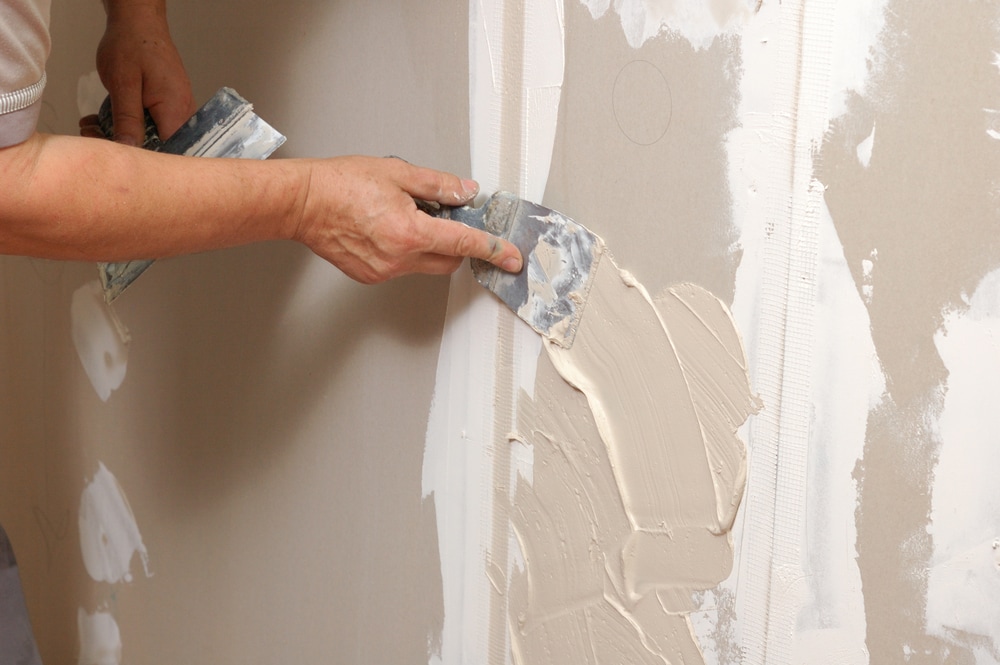
- Filling cracks and holes: I fill small cracks and holes with filler. Once it dries, I sand it down with fine sandpaper to create an even surface.
- Priming: I often use primer during preparation to ensure better paint adhesion and prevent old colors from showing through the new coat.
These steps ensure the final result is both uniform and durable.
4. What Affects the Duration of Painting?
Several factors influence how long a painting project will take, and preparation is one of the most important. Here’s how I typically estimate:
- Room size: Naturally, larger rooms require more time for preparation and painting.
- Wall condition: If there are many cracks or stains, more time is needed for repairs.
- Number of coats: I usually apply two coats of paint for a vibrant and long-lasting finish. This means allowing time for the layers to dry in between.
- Details: Rooms with a lot of corners, trims, or edges require more precision and time.
On average, painting a standard-sized room – including preparation – takes about 2-3 days, but every project is unique.
Why Is Proper Preparation Worth It?
Many people want to rush through painting, but skipping preparation can lead to long-term issues. Paint adheres more evenly to well-prepared walls, lasts longer, and the entire process is smoother. By paying attention to these steps, the result will not only look great but also be of high quality.
Conclusion
Preparation for painting ensures a clean and organized workspace as well as a durable and beautiful result. By dedicating the right amount of time and effort to preparation, the painting process becomes faster and more efficient. I always focus on these details in every project because I know that a great foundation is essential for flawless painting.