
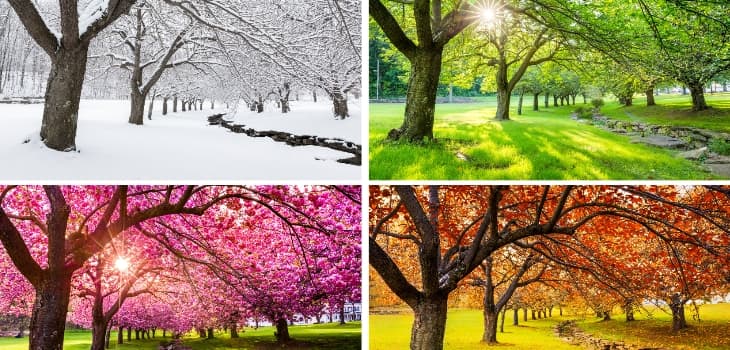
Which Season is Best for Painting?
Painting walls or furniture is not only a creative task but also a job that should be done during the right season to ensure a durable and beautiful result. Weather conditions, humidity, and temperature all significantly affect the drying and adhesion of paint. Let’s explore which season is ideal for painting and the weather conditions to keep in mind!
Spring – The Season of Fresh Beginnings
Spring is often an ideal season for painting, as the weather is generally more stable, with temperatures neither too cold nor too hot.
- Advantages:
- Daytime temperatures range between 10–25°C, which is perfect for paint drying.
- The abundance of natural light makes painting easier and helps judge color tones more accurately.
- Caution: Early spring can still have high humidity levels, which may slow down drying, so ensure proper ventilation in your space.
Summer – The Season of Quick Drying
Summer is the most popular season for painting projects, especially outdoors. Warm weather ensures faster drying, but extreme heat should be avoided.
- Advantages:
- Warm temperatures speed up the drying process, allowing you to complete the job faster.
- Longer daylight hours provide more time to work.
- Caution:
- Excessive heat (above 30°C) can cause paint to dry too quickly, leading to patchiness and cracking.
- Avoid direct sunlight, as it can prevent proper paint adhesion.
Autumn – A Calm Alternative
Autumn, especially the early months, is as favorable as spring for painting. The temperatures are comfortable, and humidity levels are generally lower.
- Advantages:
- Ideal temperatures (10–20°C) ensure even paint drying.
- Pleasant lighting conditions help with precision work.
- Caution: As autumn progresses, cooler nights and rising humidity can slow the drying process.
Winter – Suitable Only in Certain Conditions
Winter is the least ideal season for painting, particularly outdoors. Cold temperatures and high humidity make it difficult for paint to dry and adhere properly.
- Advantages:
- For indoor painting in heated spaces with good ventilation, winter can still work.
- The off-season allows for more time to focus on projects without seasonal rush.
- Caution:
- Cold weather (below 10°C) significantly slows drying and affects paint adhesion.
- Poor ventilation can lead to lingering paint fumes and odors indoors.
Weather Conditions That Affect Painting
- Temperature: Paint dries best between 10–25°C. In cold weather, drying is slower, while in extreme heat, paint may dry too quickly, causing imperfections.
- Humidity: High humidity (above 70%) can delay paint drying and affect adhesion. Proper ventilation indoors is essential.
- Wind: Strong winds outdoors can cause uneven drying and dust settling on fresh paint.
- Lighting: Natural light helps to better see color accuracy and surface imperfections.
Conclusion
The best seasons for painting are spring and autumn when temperature and humidity are optimal. Summer is also a good choice, but care must be taken to avoid extreme heat. Winter is suitable only when indoor conditions are controlled. By choosing the right season and ensuring proper weather conditions, you can achieve a long-lasting and beautiful result.