
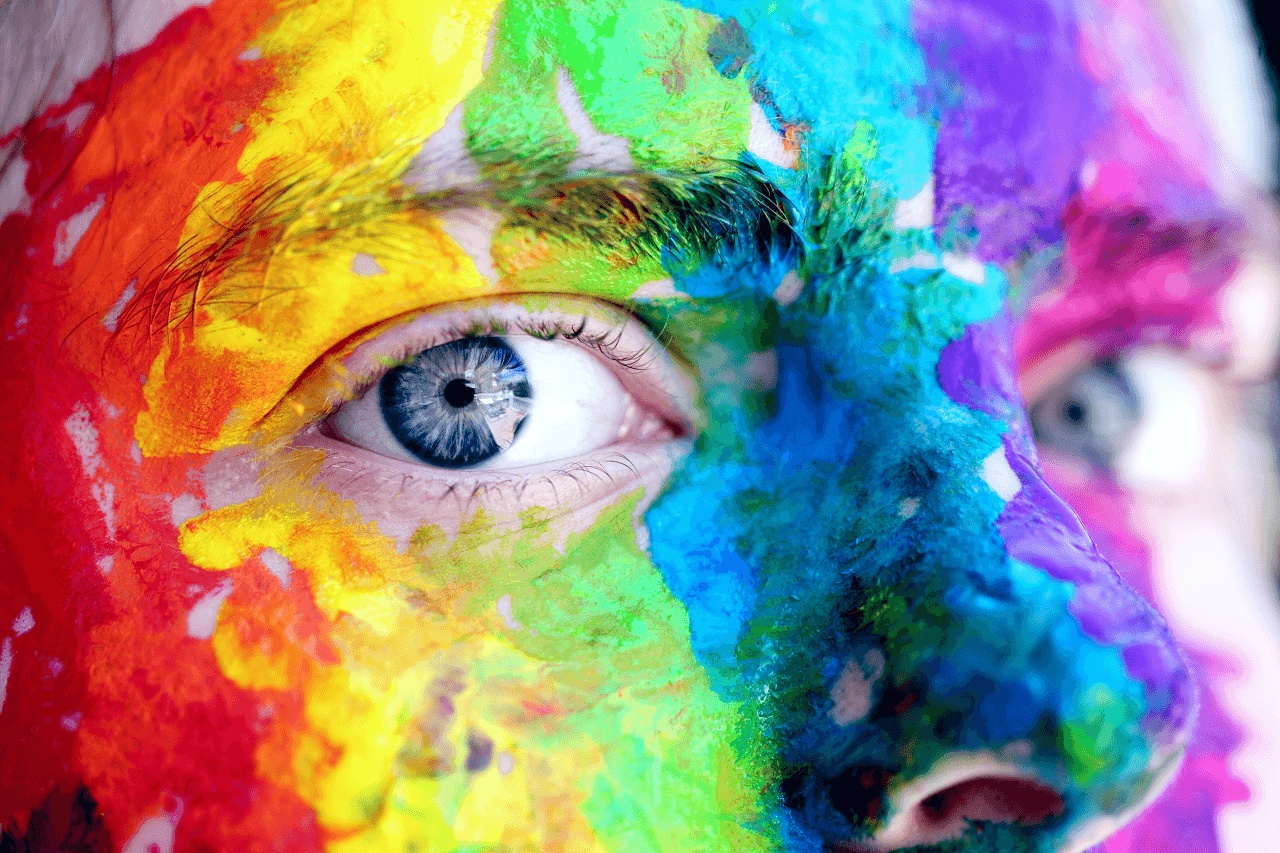
Color Psychology: How Colors Affect Your Mood
Colors don’t just define the style and ambiance of your home; they also have a profound impact on your emotions, energy levels, and overall well-being. The psychological effects of colors have fascinated people for centuries, and it’s now scientifically proven that different shades influence how we feel. If you’re planning the colors for your home, understanding how they affect us can help you make the right choices. Let’s explore the most common colors and their effects!
1. Blue – The Color of Calm and Focus
Blue represents calmness and harmony. Often associated with stability and trust, it’s an ideal choice for spaces where you want to relax or concentrate.
- Where to Use It?
- Bedroom: Helps you unwind and relax after a long day.
- Home Office: Boosts focus and productivity.
- Tip: If it feels too cool, pair it with warm tones like beige or gold.
2. Yellow – The Color of Optimism and Energy
Yellow is cheerful and vibrant, radiating positivity and energy. It’s a great choice if you want to make a space feel welcoming and lively.
- Where to Use It?
- Kitchen: Encourages communication and creates a positive atmosphere during family meals.
- Living Room: Makes the space feel brighter and more spacious.
- Tip: Use it sparingly, as too much yellow can be overwhelming.
3. Green – The Color of Nature and Balance
Green evokes the serenity of nature and promotes balance. Its soothing effect makes it perfect for creating a stress-free, refreshing environment.
- Where to Use It?
- Bathroom: Brings a sense of freshness and relaxation.
- Living Room: Helps foster relaxation and harmony.
- Tip: Light greens feel friendlier, while darker tones add a touch of elegance.
4. Red – The Color of Passion and Energy
Red is intense and powerful, stimulating the senses and boosting energy levels. While it’s exciting and attention-grabbing, use it carefully as too much red can feel overwhelming.
- Where to Use It?
- Dining Room: Enhances appetite and encourages social interaction.
- Bedroom: Use in small amounts, such as accents, as it can be too stimulating.
- Tip: Use it as an accent color to maintain a balanced atmosphere.
5. White – The Color of Cleanliness and Space
White conveys cleanliness and minimalism. It creates a bright and spacious feel, making it a popular choice for smaller rooms to make them appear larger.
- Where to Use It?
- Small Rooms: Makes spaces feel more open and light.
- Kitchen: Creates a clean, modern look.
- Tip: Pair it with other colors or textures to avoid a sterile look.
6. Gray – The Color of Neutrality and Elegance
Gray is one of the most versatile colors, offering a modern and sophisticated feel. It provides a neutral base that pairs well with almost any other color.
- Where to Use It?
- Living Room: Creates an elegant, timeless look.
- Bedroom: Soothing, especially in lighter shades.
- Tip: Choose warmer gray tones for a more inviting atmosphere.
Conclusion
The power of colors lies in their ability to influence our mood, energy levels, and the overall vibe of our homes. Whether you want to create a calming or energizing atmosphere, your choice of colors will play a significant role in shaping the space. Be sure to select shades that reflect your personal preferences and suit the function of each room.