
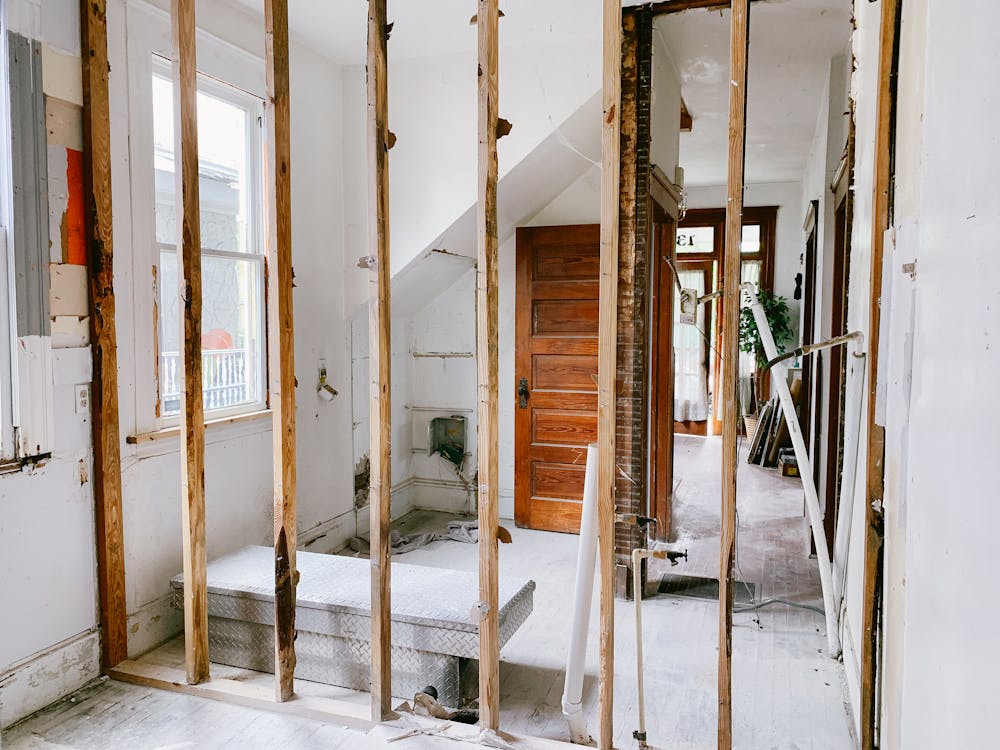
How I Prepare for a Home Renovation and Why Proper Preparation Is Crucial
Home renovation is an exciting yet challenging process. Proper preparation is essential to ensure a smooth workflow and results that exceed expectations. Here’s how I prepare for a renovation project and what factors influence the duration of the work.
1. Preparing and Protecting the Workspace
The first step is always to prepare the workspace to keep everything clean and organized during the renovation:
- Removing or protecting furniture: If possible, I completely clear the room of furniture. If that’s not feasible, I cover the furniture with protective sheets to shield it from dust and damage.
- Covering the floors: I use protective sheets or cardboard panels to safeguard the floors from paint, adhesives, or other materials.
This ensures a clean workspace and minimizes the cleanup required after the project.
2. Inspection and Planning
A detailed assessment and precise planning are the keys to a successful renovation:
- Inspecting for damage: I check the condition of walls, floors, and windows to determine if repairs are needed, such as sealing cracks, replacing tiles, or priming.
- Material requirements: I create a comprehensive list of materials needed, including paints, tiles, adhesives, and tools.
- Scheduling: Based on the initial plan, I establish the sequence of work, such as painting, tiling, and furnishing.
Thorough planning saves time and ensures a continuous workflow.
3. Repairs and Preparatory Work
Before starting the actual renovation, I complete all necessary preparatory tasks:
- Repairing cracks and holes: I fix wall imperfections using filler or plaster.
- Priming: I prime surfaces to enhance the adhesion of paint and adhesive materials.
- Fixing structural elements: If the floors or windows are damaged, I repair or replace them as needed.
4. What Affects the Duration of Renovation?
The time required for renovation depends on several factors:
- Size of the area: A smaller room requires less time, while a full apartment renovation can take significantly longer.
- Type of work needed: Painting is usually faster than tasks like tiling or flooring installation.
- Details and customization: Unique features or intricate work can extend the project’s duration.
On average, renovating a small room takes 3-5 days, while a full apartment renovation can take 2-3 weeks, depending on the complexity.
Why Is Proper Preparation Worth the Time?
Skipping preparation often leads to errors, such as structural issues or aesthetic flaws. A well-prepared project ensures faster and smoother progress and produces results that are both durable and visually appealing.
Conclusion
Preparation is the foundation of a successful home renovation. By dedicating time to planning, preparing the workspace, and addressing necessary repairs, you can speed up the process and ensure long-term satisfaction. I focus on these details in every project because I believe that a solid foundation is the key to outstanding results.